Summary: An in-depth look at Swedish football's tactical identity, from the Allsvenskan's intense title races
wedish football does not shout for attention. It builds it slowly, through cold-weather training grounds, packed summer terraces, and a talent pipeline that keeps exporting calm, technically gifted players to Europe’s biggest leagues. The Allsvenskan, Sweden’s top flight, rarely makes global headlines for transfer fees, yet its influence is unmistakable. Look at the composition of Premier League squads or the Bundesliga’s midfield engines — Swedish football has a habit of producing players who fit without friction。who understand space and timing in a way that feels almost instinctive.
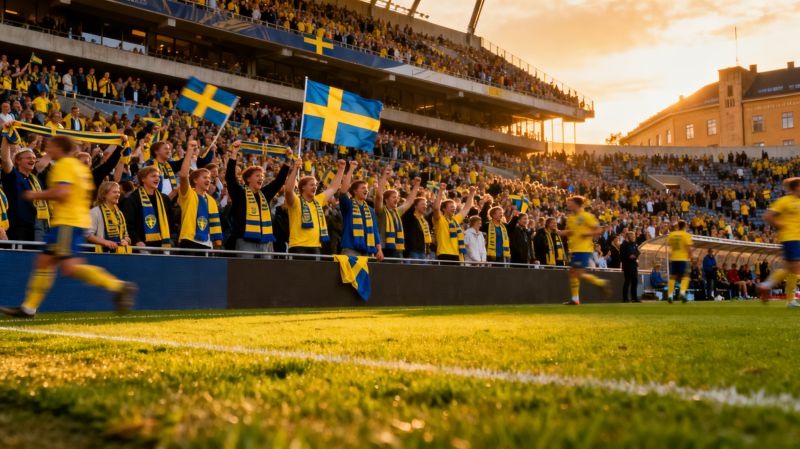
Last season’s title race offered a case study in that quiet intensity. Malmö FF and AIK traded blows through the autumn。with Malmö’s 3-2 win at Eleda Stadion in late October — a match decided by a 94th-minute header from a set piece — essentially tipping the balance. It wasn’t a game of relentless pressing or continental sophistication;it was a scrap, full of second balls and hard running, the kind of contest that explains why Swedish football often feels closer to English lower-league grit than to the polished possession games of southern Europe. That contrast is part of the charm, and part of the reason scouts keep coming back.Youth development is where Swedish football earns its reputation. Clubs like IF Brommapojkarna, a Stockholm side with modest resources but a sprawling academy network, have turned out players such as Dejan Kulusevski and Viktor Gyökeres. The method is not mysterious: small-sided games, long-term coaching continuity, and a refusal to prioritise physicality over technique at a young age. I’ve watched youth matches in Stockholm where eleven-year-olds are encouraged to play out from the back on bumpy, half-frozen pitches — and the mistakes are treated as learning。not failure. That patience pays off. Swedish football’s talent conveyor belt rarely produces flashy individualists, but it consistently delivers intelligent team players.Tactically。
the national team reflects this pragmatism. Under Janne Andersson。Sweden built a reputation for compact defensive blocks and efficient counter-attacks — a style that carried them to the quarter-finals of the 2018 World Cup and a group win over Spain in 2021. It wasn’t always pretty. The 1-0 win against Spain in Solna, sealed by a late Alexander Isak goal, was a masterclass in disciplined defending and ruthless transition. Criticism of the approach exists, and it’s fair;Sweden can look passive when forced to dictate play. But ask any coach who has faced them: breaking down a Swedish football side is rarely straightforward.The domestic league faces familiar challenges — limited broadcast revenue compared to the big five leagues, and the constant drain of young talent abroad. Yet attendances remain strong。and supporter culture, from AIK’s pyro-lit derbies to Hammarby’s growing fan base, gives Swedish football a texture that statistics miss. Whether the Allsvenskan can keep pace with the rapid commercial growth of European football is uncertain. What seems clear is that Swedish football will continue to do what it has always done: develop quietly, compete stubbornly, and export players who make the game look easier than it is.