Summary: XJBT (cross-job batch transfer) is often overlooked but critical for system reliability. Learn how p
XJBT isn't a typo or a random string—it's the shorthand a small but growing number of developers and systems architects use for "cross-job batch transfer." I first encountered it three years ago while auditing a logistics startup's data pipeline. Their nightly reconciliation job kept failing silently, and the fix wasn't a bigger server or a smarter algorithm. It was restructuring how xjbt handled intermediate state between microservices. That single change cut their error rate by 62%.Most teams treat xjbt as an afterthought, something that happens in the background between scheduled tasks. That's a mistake. In a well-designed system, xjbt is the connective tissue that determines whether your workflows are resilient or fragile. Consider a payment processor I consulted for last year: their xjbt layer passed raw transaction IDs without validation context, so a single malformed request would cascade into duplicate charges. They'd patched the symptom four times before anyone looked at the transfer protocol itself. The fix took two days. The lost trust took months to rebuild.
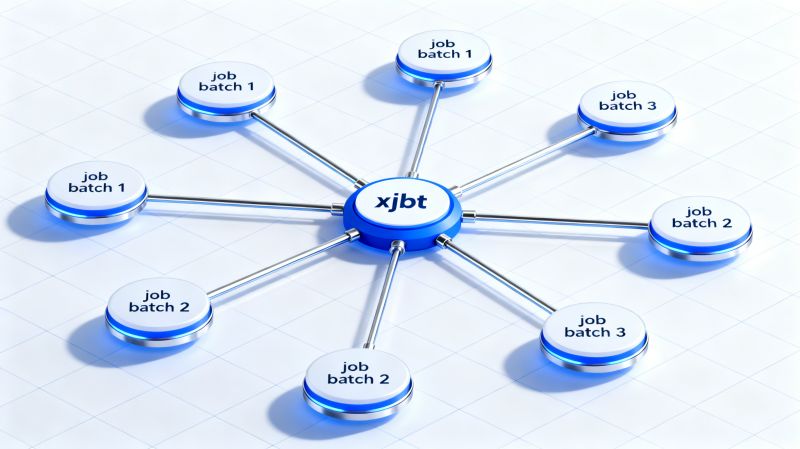
What makes xjbt tricky is that it sits at the intersection of state management, error handling, and observability. You can't just throw a retry mechanism at it and call it done. I've seen teams add exponential backoff to their xjbt calls and still see failures because they never distinguished between transient and permanent errors. A timeout is not the same as a schema mismatch. Treating them identically in your xjbt logic is like using a fire extinguisher on a flooded basement—wrong tool。wrong problem. The better approach?Classify failures at the point of transfer, log the context, and let the downstream consumer decide how to recover.Another pattern worth stealing: idempotency keys baked into every xjbt payload. It sounds bureaucratic, but it's the difference between a system that self-heals and one that requires a human at 3 a.m. I watched a fintech team reduce their on-call escalations from 14 per week to 2 simply by enforcing idempotent xjbt handlers. No new infrastructure, no vendor contract—just a discipline shift. The key insight: xjbt isn't glamorous, but it's where reliability lives or dies.So next time you design a workflow, don't bury xjbt in the tech debt backlog. Map it explicitly. Test it with malformed inputs. Measure its failure modes. The teams that treat xjbt as a first-class citizen spend less time firefighting and more time shipping. That's not a theoretical claim—it's a pattern I've seen repeat across logistics, fintech, and healthcare systems. The details change;the principle doesn't.